Help Center
Frequently Asked Questions about Bookcicle
Whether you're exploring Bookcicle for the first time or looking for a
better way to move your manuscript from draft to publication, these FAQs
will help you understand how Bookcicle works, what to expect, and how it
fits into your existing writing process.
If you can't find an answer that you're looking for, feel free to
contact us.
Workflow
General & Workflow Continuity
Getting started and how Bookcicle fits your process
Do I need to upload my entire manuscript to start using Bookcicle?
That depends on where you’re entering the workflow.
If you’re entering through services like editing, translation, or literary conversion, yes—you’ll need to upload a completed draft or manuscript to move through Bookcicle’s workflow pipeline.
You can start writing from scratch in Bookcicle Desktop, then use a service when your manuscript is ready.
Can I start with just editing or just translation, or do I need to use everything?
No, you can start precisely where your manuscript needs structural support.
If you need editing, you can begin there. If you’re expanding into another language, you can begin with translation. If you’re exploring another format, start with Adapt.
Bookcicle is designed as a modular, connected workflow, not an all-or-nothing commitment. Use the pieces that fit your process.
Does Bookcicle replace my current writing tool?
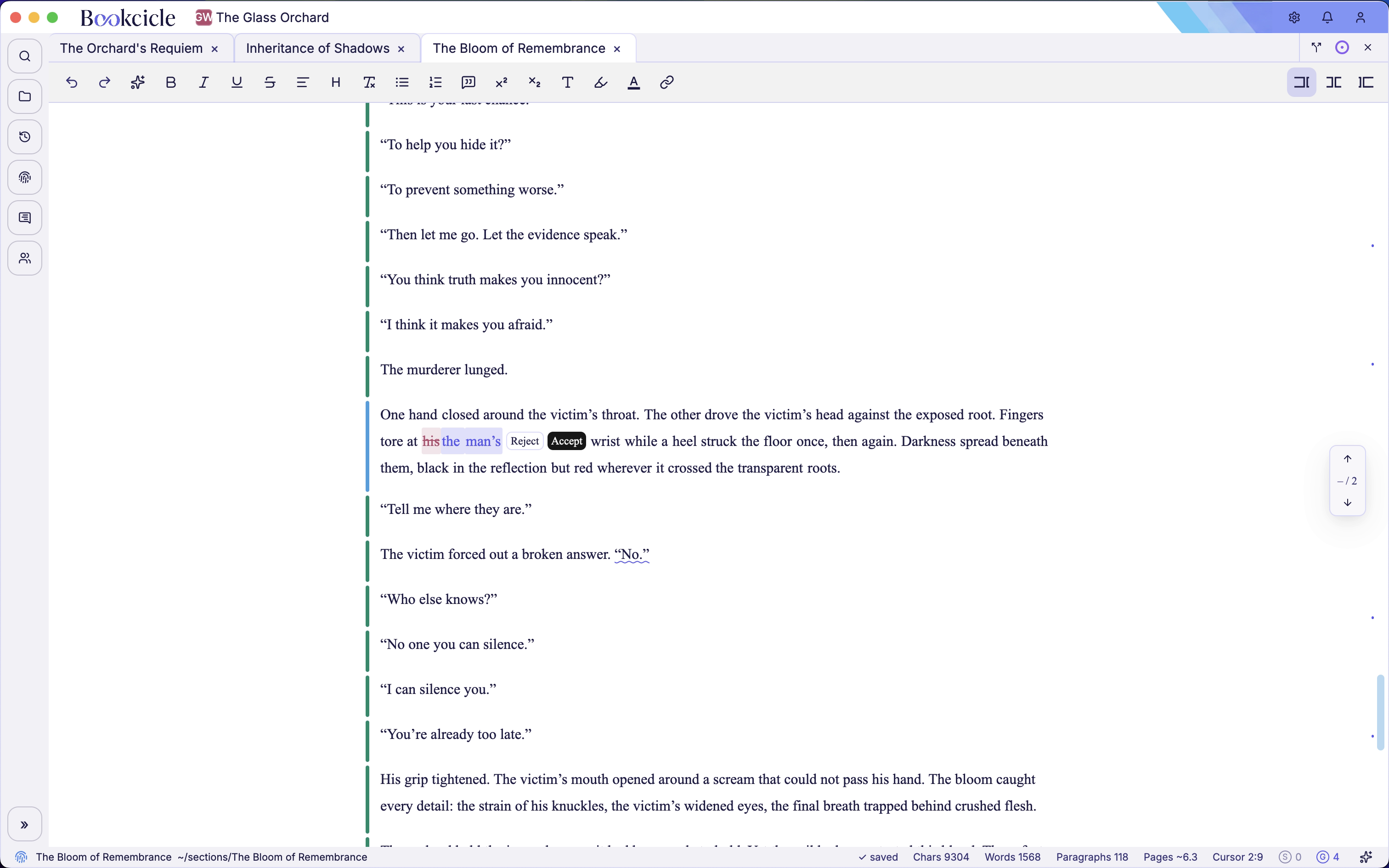
Bookcicle Desktop gives you a native workspace to write, organize, and revise your manuscript.
It is engineered to support the heavy work of finishing—helping manuscripts move through editing, translation, conversion, and the structured path toward publication.
If you already have a writing process that works for you, keep it. Bookcicle is designed to fit into your workflow, not ask you to rebuild it.
What exactly do you mean by a “connected workflow”?
Bookcicle's connected workflow means your manuscript stays connected as it moves forward through production.
Instead of each stage becoming a separate restart where you juggle files, version tracking, and tool jumps, Bookcicle is designed to help your manuscript carry forward through the next steps of its progression within the same workspace. The goal is more continuity around your manuscript, your story, and the decisions shaping its evolution.
Do I need technical skills to use Bookcicle?
No, you do not need technical skills to use the platform.
Bookcicle is designed around manuscripts, not technical expertise. You bring your manuscript and your creative decisions, and Bookcicle is designed to support the workflow around them.
Trust
Manuscript Safety, Privacy & Ownership
Your files stay yours, and under your control
What happens to my existing files if I upload them?
Your files remain entirely yours.
When you upload a manuscript or draft to Bookcicle, the system parses and prepares your file for the specific workflow you selected. Before processing begins, you can review how your manuscript was organized—including your story content, front matter, and back matter—and confirm everything looks right.
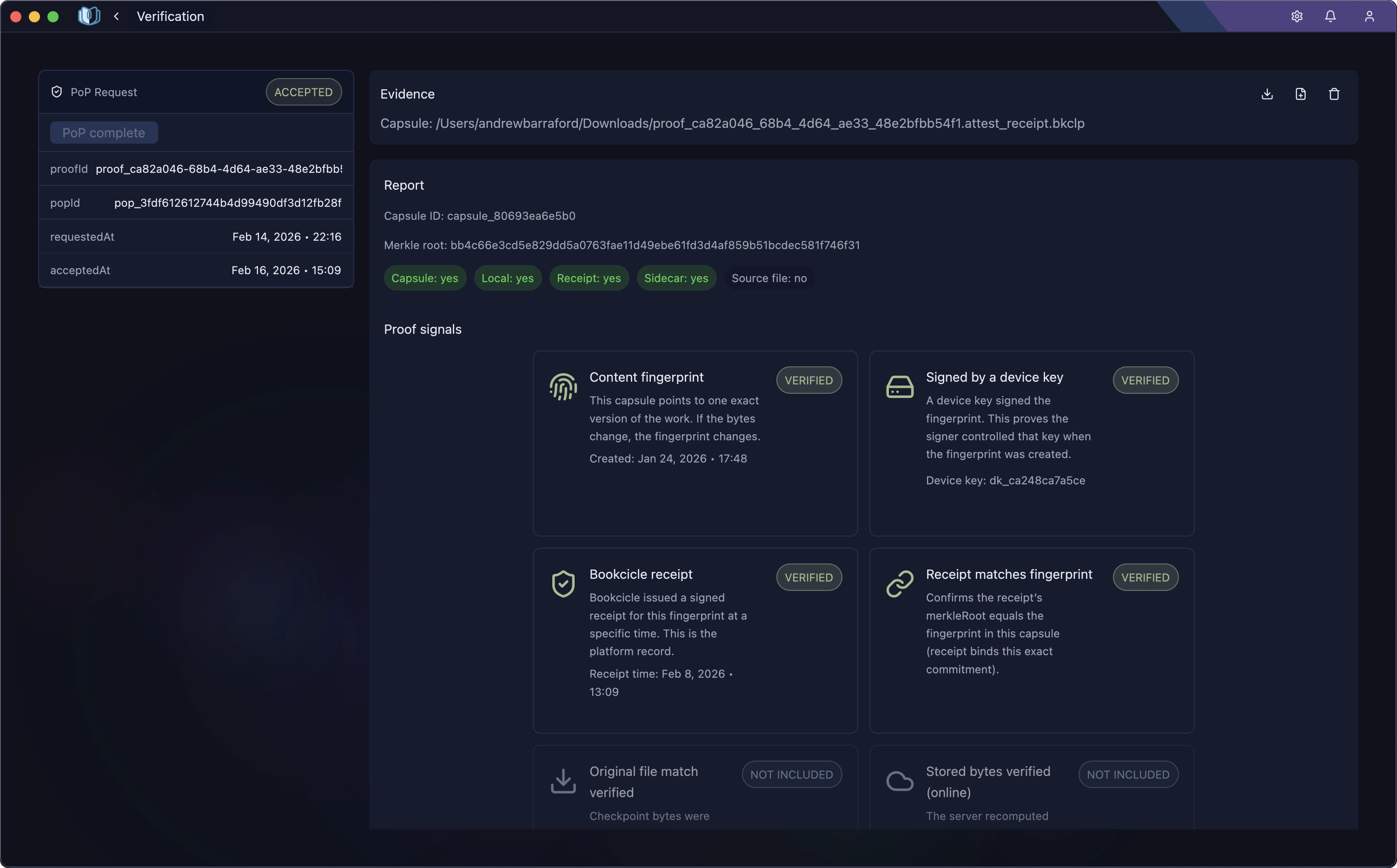
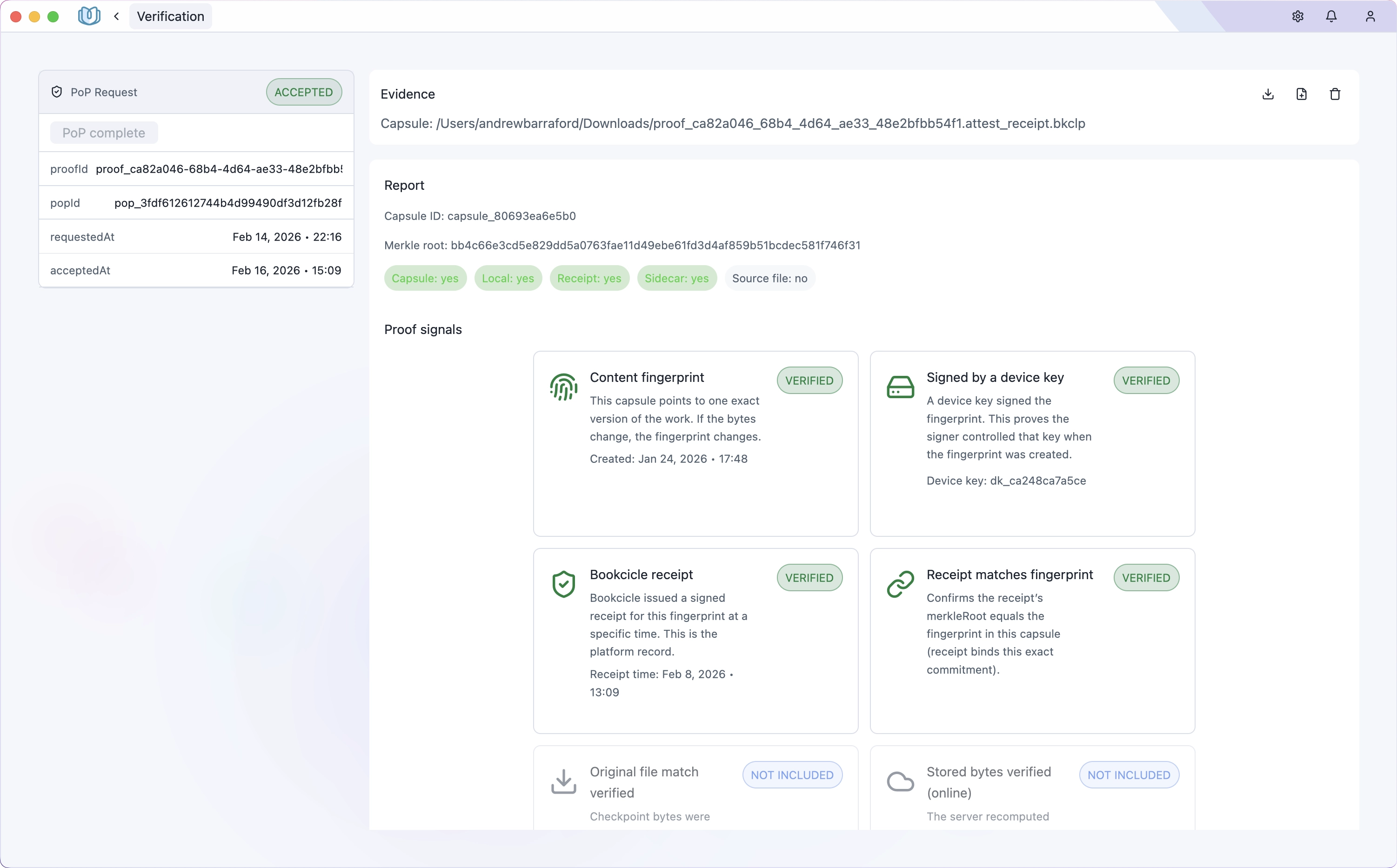
If enabled in your preferences, Bookcicle can also automatically create a documented record when files enter or leave the system, helping you maintain a clear history of your manuscript as it moves through the workflow.
Bookcicle is designed to work with the files you already have, not ask you to rebuild your manuscript from the beginning.
Is my manuscript safe and private on the platform?
We take safety and privacy seriously at Bookcicle.
You are offered two-step verification to help protect your account, and you stay in absolute control of sharing. You decide who can access your manuscript and when you choose to share it within the workflow.
Bookcicle is designed to support secure, writer-controlled workflows.
Do I lose control over my manuscript once I upload it?
No. Uploading your manuscript does not mean giving up control of it.
You remain fully involved in the work. You review changes, refine your manuscript, and decide what best fits your story and its evolution. You control who you share your manuscript with and when you choose to share it within the workflow. And, for whatever reason, you can delete your story from Bookcicle at any time. Bookcicle is designed to support your manuscript’s progression, not take ownership of your story.
Your Voice
The Role of AI & Preserving the Author’s Voice
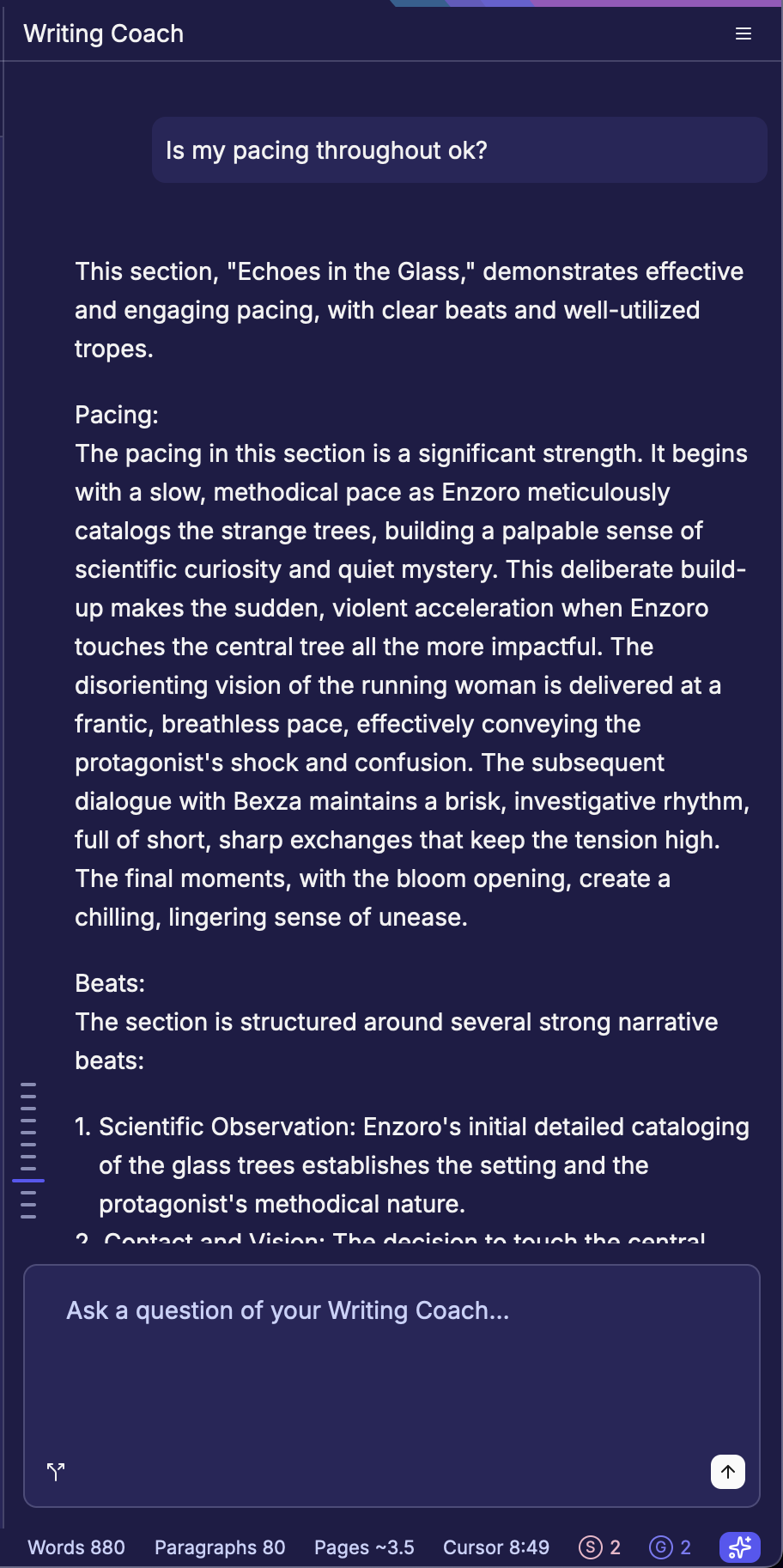
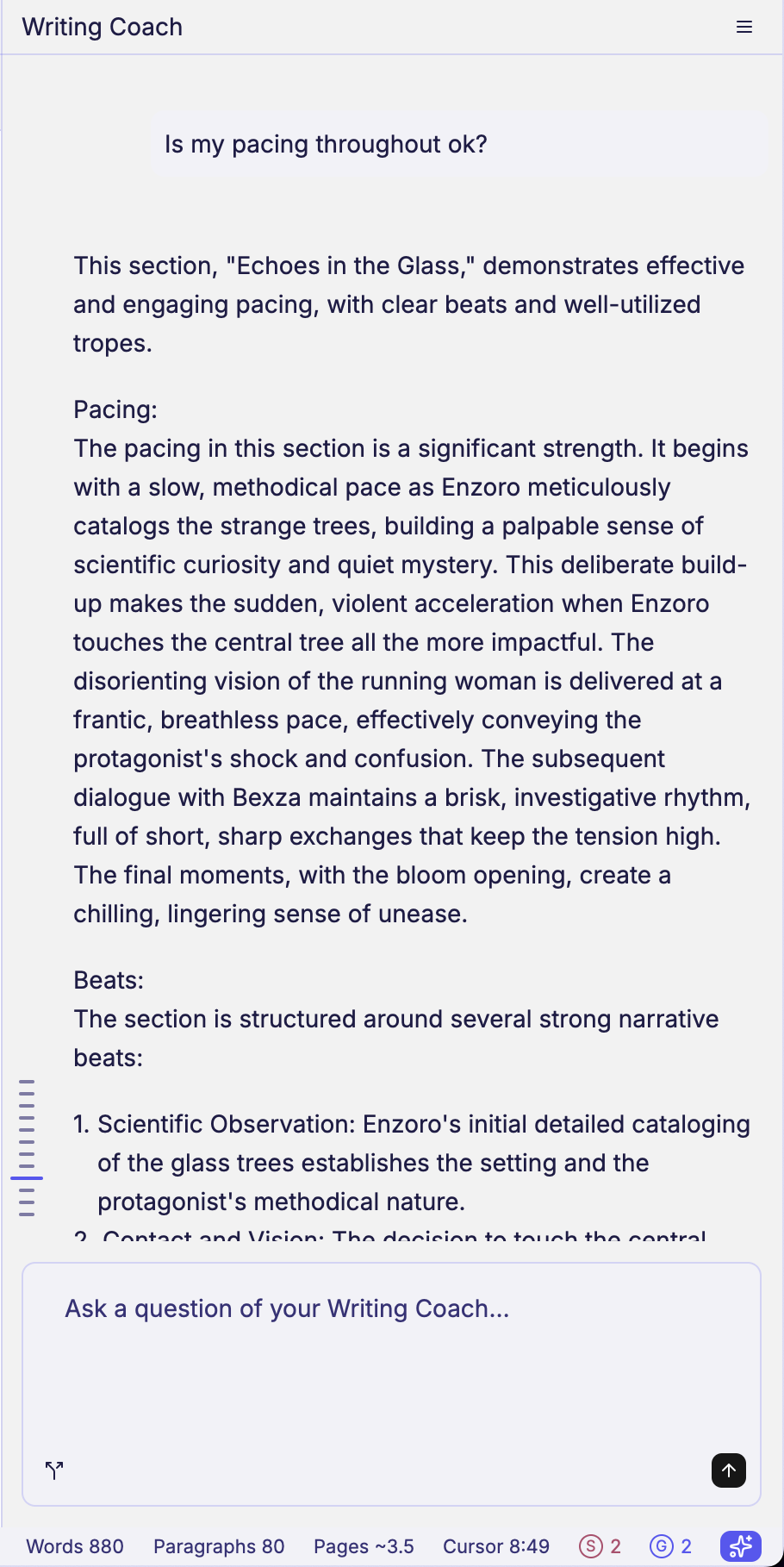
AI assistance with you at the center
Will Bookcicle change my writing style or voice?
Protecting your voice matters to us.
Bookcicle is designed to support your manuscript, not override the style, tone, and emotional magic that make your work yours. Across editing, translation, and connected workflows, structured review steps help maintain consistency while keeping you involved.
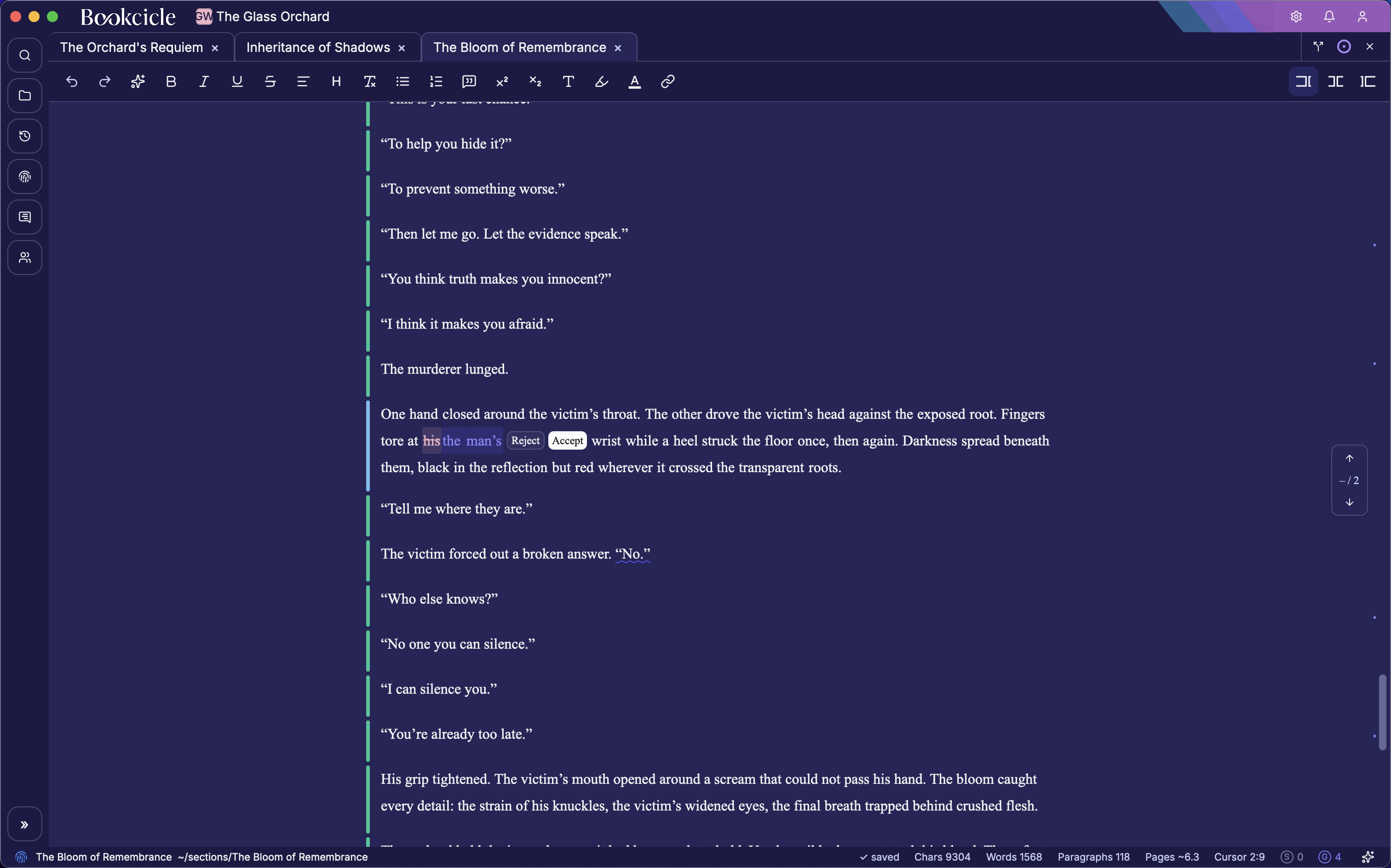
You can review changes in a redline or track-changes view, refine the manuscript, and decide what moves forward. Your voice remains central to the work, and you stay in control of your story and how your manuscript evolves.
How much of the process is AI vs. human assistance?
That depends entirely on the choices you make around your manuscript.
Bookcicle uses AI-supported services, but your manuscript does not move through the process without people. We highly recommend that you review all the suggestions as your manuscript moves through the workflow.
We also strongly encourage human support around your manuscript, whether that includes editors, translators, collaborators, or a combination of those things. You decide how much human involvement your manuscript has. The goal is not replacing human judgment, but supporting manuscript progression with room for both AI assistance and human involvement.
How is Bookcicle different from using separate tools like Google Docs, DeepL, or freelance editors?
The difference is not that Google Docs, DeepL, or freelance editors are the wrong tools. The difference is how much of the workflow you are forced to manage manually between them.
Bookcicle is engineered to reduce the file juggling, version tracking, workflow jumps, and heavy coordination that build up as a manuscript moves through editing, translation, conversion, collaboration, and the next stage of the work. Bookcicle’s goal is not adding another tool to manage, but reducing fragmentation around your creative assets.
Technical
Technical Execution, Versions & File Management
Versions, exports, formats, and timing
How does version control work inside the system?
Bookcicle handles versioning in more than one way.
The first layer is the cascading draft workflow, which organizes multiple draft iterations neatly under the preceding draft to align with the natural habits of independent authors. The second layer is change tracking.
If changes are made anywhere in your manuscript, you can review them via a track-changes or redline view to see exactly what changed as your story evolves. The goal is helping you clearly see how your manuscript moves and evolves through the workflow.
Can I still work with human editors and translators?
Of course! And, in fact, we encourage writers to continue working with human editors, translators, and collaborators.
Bookcicle is designed to support hybrid workflows, not replace the people you trust. You can share your manuscript inside Bookcicle and continue working together within the system, reviewing modifications through track changes.
Prefer to work outside the platform? That works too. You can export your draft for manuscript review in DOCX format and, when you’re ready for the next step in your process, upload your work back into Bookcicle and continue your workflow.
You decide what fits your manuscript, your collaborators, and the way you work.
Can I export my manuscript at any time?
Yes, you can export your manuscript from Bookcicle. Bookcicle is designed to support manuscript progression, not trap your manuscript inside a platform.
Whether you are sending your manuscript for outside review, working with collaborators, continuing your process elsewhere, or keeping your own copy, you have options around how and when you export.
Depending on the workflow, manuscripts can be exported in the following formats: DOCX, PDF, HTML, and Markdown (.md). Bookcicle is designed to give you flexibility around your manuscript, not create platform lock-in.
What formats can I export my manuscript into?
Bookcicle supports exporting your manuscript into formats such as DOCX, EPUB, HTML, Markdown, and print-ready PDFs, depending on the workflow and the stage of your manuscript. For instance, you can export editorial manuscripts formatted for easy markup with wider margins, Kindle-compatible EPUBs, or 6x9 print interior PDFs.
Export options can vary based on the service you are using and the format you are working toward, ensuring flexibility rather than platform lock-in.
How long does it take to process editing or translation tasks?
That depends on your manuscript, the service you choose, and the workflow settings involved.
On average, structural processing or cleanup tasks take around 30–45 minutes, though some deep developmental or advanced translation workflows can take up to 24 hours depending on manuscript length, review layers, or the level of refinement involved. The goal is not rushing your manuscript through the process, but supporting thoughtful manuscript progression.
How does Bookcicle keep my manuscript consistent across editing and translation?
Bookcicle is designed to work from your manuscript as a connected whole.
Across editing and translation workflows, Bookcicle uses structured review steps to help maintain consistency in things like tone, character details, story flow, and cross-chapter continuity.
For translations, the system runs a two-tier quality check process: a deterministic check for structure and formatting, followed by an advanced check using a distinct model to review the output for author intent, voice, tone, and flow. Just as importantly, you remain central to the review process—you accept or reject changes and decide what moves forward.
Can I use the same manuscript across multiple languages without splitting it into separate files and workflows?
Yes, Bookcicle supports working from the same manuscript across multiple languages.
Rather than managing completely separate, fragmented versions of your story across different tools and desktop files, Bookcicle is designed to help keep your manuscript connected as it moves through translation.
The interface nudges you to progress through multiple languages sequentially (such as German, French, Spanish, Italian, Portuguese, Japanese, Korean, Arabic, Chinese) while keeping all versions consolidated under the same root project.
Is this suitable for someone who already has a finished manuscript?
Yes. Bookcicle is engineered specifically to support finished manuscripts that are ready for the next stage.
If you already have a completed first draft, you can bring it directly into the workflow and continue from there. You do not need to start over or rebuild your process around a new writing platform.
What’s the first step once I sign up?
That depends entirely on where you are entering the workflow.
If you are bringing in an existing manuscript, your first step is choosing an editing, translation, or conversion workflow and uploading your file.
Start your draft in Bookcicle Desktop, or bring an existing manuscript to Editorial, Adapt, or Translate.
A note on our shared craft
Bookcicle’s advanced AI editorial, translation, and conversion services are
designed to stabilize, protect, and accelerate your finishing pipeline, but
they are never meant to replace the deep magic of the human eye and
intuition. Because true creative nuance and absolute stylistic alignment
require intentional discernment, we always recommend a human review before
your work meets its readers. Technology can clear the debris from the path,
but you, the author, remain the ultimate steward and sovereign voice of
your story.
Still have questions? Contact our team and we’ll be glad to help.